Mistakes that CAUSE mold

August 27, 2020

Share this article

What You Really Need to Know about Fungus: 5 Mistakes People that CAUSE Mold

Mold is everywhere.

Or, more specifically, mold spores are everywhere.

These tiny spores drift on the slightest puff of air.

The wind carries them through forests, deserts, fields, and across oceans and mountains. And these spores are so tiny (just a few microns in diameter) that they sift through the doors and windows of your home.

Like corn or soybean seeds, these spores need the right conditions to grow into a full-fledged colony. Corn, for example, doesn’t grow on county highways. There’s no soil and no water.

Likewise, mold won’t magically sprout on your kitchen counter just because the spores land there. The spores need the appropriate conditions, like food and water, as well as the right temperature. Lacking those conditions, the spores remain in a dormant state.

How Mold Grows in the Midwest

But water intrusion is the number one cause of mold problems.

Sometimes, there’s flooding.

Or maybe a roof leaked.

Maybe a water pipe burst.

For mold to grow, it needs:

There doesn’t have to be an obvious catastrophe, like flooding or broken pipes, for mold growth.

Perhaps homeowners accidentally created the conditions that made mold thrive.

This happens more often than you might think.

5 Ways Homeowners Accidentally Help Mold Grow

In the Midwest, basements are a common area for mold problems. That’s because basements – even those that haven’t flooded – often have a little bit of moisture. They often feel damp. Maybe there’s an undetectable leak in the foundation. Or perhaps there’s a little condensation on the wall’s interior.

Over time, that moisture, along with mold-friendly temperatures, give rise to mold growth. Sometimes, just having humidity at 50% or higher can start mold.

Using a dehumidifier religiously can help keep humidity levels below 50%. In some situations, this tactic alone is enough to prevent mold.

In some parts of the country, it’s common for shower fans to vent directly into the attic. And in other regions, local building codes totally prohibit this practice.

Why?

Because blasting moisture into the attic can cause mold, and later, rot. In the Midwest, we often see attics filled with mold. That’s partly due to our extreme weather conditions and partly because it’s just a bad idea to pump a lot of moist air into a big wooden box – it’s a recipe for mold.

Your safest bet is always to vent the bathroom to the home’s exterior. Does this complicate construction sometimes? Yes. But it’s still best practice.

Now onto attic ventilation.

Your attic must be ventilated properly to ensure that moisture does not get trapped inside the attic.  Warm moist air rises through your home/building via stack effect.  If that moisture gets trapped in an attic space, especially in a cold climate, it will cause condensation on the roof sheathing and will essentially lead to mold growth.  You should make sure that the attic space is properly ventilated, so this does not occur.

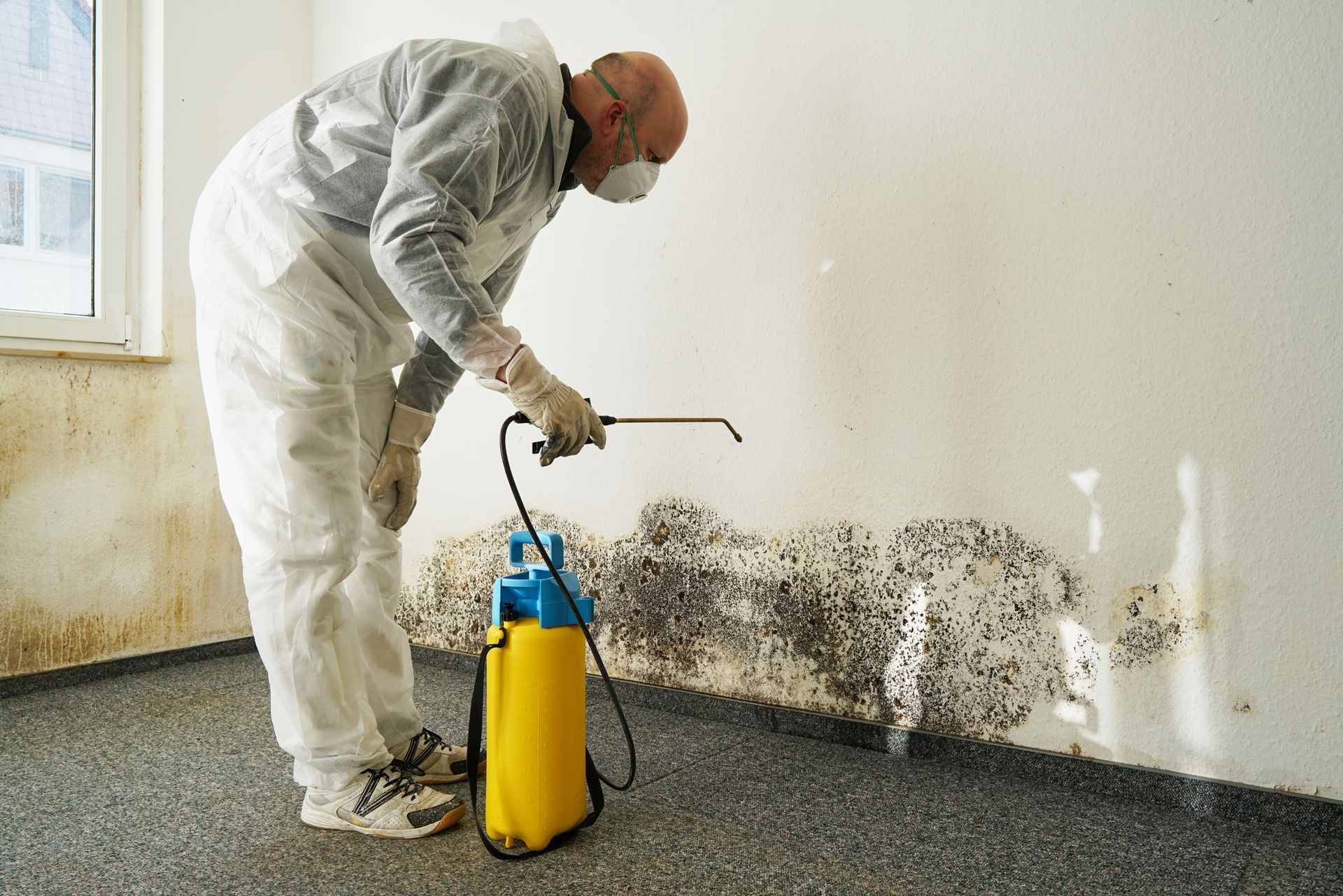
Many homeowners take only minimal measures to dry out their homes. That’s a huge mistake. You must aggressively dry these areas before mold – which can begin spreading in just 24-48 hours – takes hold.

We applaud homeowners who try to clean up minor mold problems with their own grit and determination.

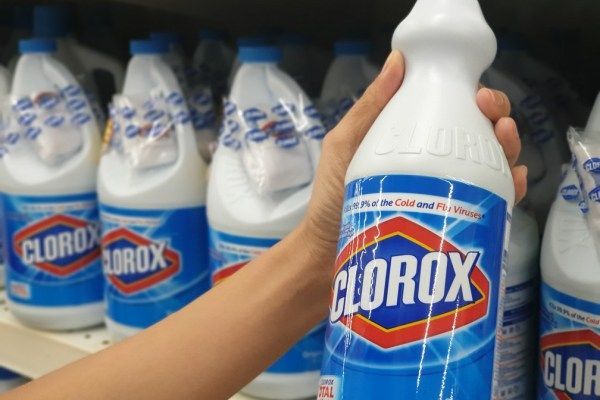
However, too often we see them using the wrong tools ( like bleach ) or failing to understand that visible mold is often just the tip of the proverbial moldy iceberg.

Improper or incomplete cleanup can mean bigger mold problems down the road.

A lot of people in the Midwest refuse to run their air conditioning until it’s absolutely necessary.

Some do it because they’re frugal. Other people just enjoy warm, humid conditions (we don’t, but hey, to each their own).

We even met a guy who moved his bedroom to the basement each summer just to avoid paying higher utility bills due to air conditioning.

This practice, while admirable from a budgeting standpoint, means your home becomes very, very humid. That humidity will almost undoubtedly contribute to mold growth.

Furthermore, keeping your HVAC system clean and running regularly actually improves its efficiency, meaning you pay less to run it, and you’re more comfortable, too. And if your air conditioner breaks, you really should let a professional handle the repair.

Running your air conditioning regularly will substantially cut the risk that your home’s humidity is too high in summertime.

Other Mold Risk Factors

The crews at A1 Mold Testing & Remediation see all sorts of other issues that cause mold.

“The biggest mistake that I see is not maintaining the outside of the home,” says general manager and owner Dave Bayne. “That can be grading issues, downspout extensions that are missing, concrete that meets the house not being sealed, etc.”

But even when people do pay attention to these factors, he says, mold may raise its ugly head.

“Another big mistake that homeowners make is not realizing the severity of their problem.  Moisture can work in mysterious ways and can travel much further than you might think.”

Mold Needs Very Little Food and Water to Grow

From a homeowner’s perspective, mold is a pest. From a scientific angle, however, mold is an amazing lifeform.

Some species of mold are incredibly resilient. The spores can survive years of drought and extreme temperatures. They need just a little bit of moisture and food to spring into action.

Given just a tiny opportunity, those spores will go to work. Growing, thriving, living … potentially wreaking havoc on your home and your health.

Your job as a homeowner, then, is to deprive mold of those opportunities. Using some of the basic tips in this post you’ll be able to stop or prevent mold in a variety of structures.

In doing so, you’ll be protecting not only the home itself, but the people inside, too.

Need more information?

Call or email A1 Mold Testing & Remediation today. Ask for general manager Dave Bayne, and he’ll help you with other techniques to stop mold in its tracks.

Recent Posts

October 8, 2020
Let’s Talk about Bleach, Baby (and other Misconceptions about Mold Cleanup) Mold is widely misunderstood. So are mold cleanup strategies. That’s makes sense, right? After all, if you don’t understand mold, how can you possibly hope to clean it up and keep it out of your house for good? Is mold a type of plant? […] The post Bleach and other no nos first appeared on A1 Mold Testing.

September 24, 2020
Discover how mold toxicity strains marriages and personal relationships by causing emotional distress and conflict. A1 Mold Testing shares insights on hidden impacts.
September 10, 2020
Discover typical mold remediation costs, key price factors, and ways to save on professional mold removal for your home or business.
August 13, 2020
Learn why DIY mold remediation often goes wrong, from spreading spores to missing mold colonies, and why professional help is the safest solution.

July 30, 2020
Who Does This Guy Think He is, Anyway? Behind the Scenes with A1 Mold Testing & Remediation’s General Manager Dave Bayne When you pick up the phone to call A1 Mold Testing & Remediation for help, you’ll hear just one voice: Dave Bayne, the company’s owner and general manager. Dave likes to answer incoming calls […] The post Get to know Dave first appeared on A1 Mold Testing.
July 16, 2020
Explore the mold remediation process from inspection to removal, ensuring safety and effective solutions for your home or business.

June 2, 2020
rotect your family’s health from harmful mold with A1 Mold Remediation. Trusted by choosy moms for expert removal and prevention services.
May 26, 2020
Learn the costly mistake your neighbors made when handling a mold problem and why professional testing is essential over DIY kits.

May 19, 2020
Discover the tough realities of mold remediation, from emotional stress to hidden damages, and why timely action is critical for your health and home.

May 12, 2020
Discover 5 reasons to hire certified experts to evaluate mold issues in your home or office. Trust A1 Mold Testing for safe, effective mold removal.
Show More