A Behind-the-Scenes Look at How Mold Remediation Works

July 16, 2020

Share this article

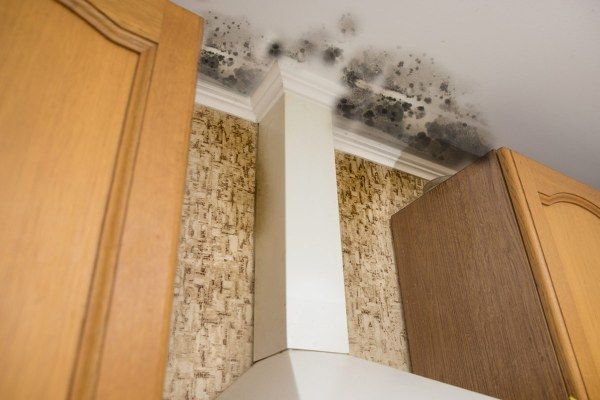
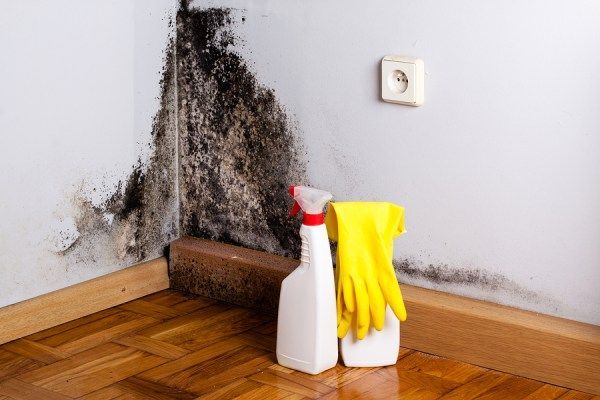
You know you have a mold problem.

You aren’t sure how bad it is. But you think you might need a professional to do the work.

You can’t help but wonder what you’re getting into.

If you call a professional mold company, what’s the process? How does mold affect you and your family?

How does this mold remediation thing work, anyway?

Inspection is the First Step of Mold Remediation

Every mold problem is different. Some jobs require a bit of surface cleaning, a little elbow grease, and that’s it.

Others require more intensive work, such as drywall removal, HEPA vacuuming, and more.

The only way to know for sure is to start with the first step: inspection.

After you call or email Dave Bayne, general manager and owner of A1 Mold Testing & Remediation, he’ll schedule a time to visit your home or business.

When he arrives, he’ll ask you a few questions.

Then he’ll grab his inspection bag and go to work, thoroughly checking the structure. He’ll be analyzing things like:

If the situation requires, he may also recommend basic mold sampling.

Then, in many cases Dave will type a report outlining his findings.

If necessary, he’ll recommend a course of action.

He can do that with confidence because he’s so familiar with Midwestern construction techniques and the water problems that affect these structures, not to say he has two decades of remediation experience.

The Mold Remediation Begins

If you opt for a mold remediation, know that each job – like each mold problem – is a bit different.

The A1 remediation team’s approach varies depending on where the mold is and how much mold there is.

For example, is there just one basement corner that requires cleanup? Or is your whole attic covered in mold? These jobs require very different planning and tools.

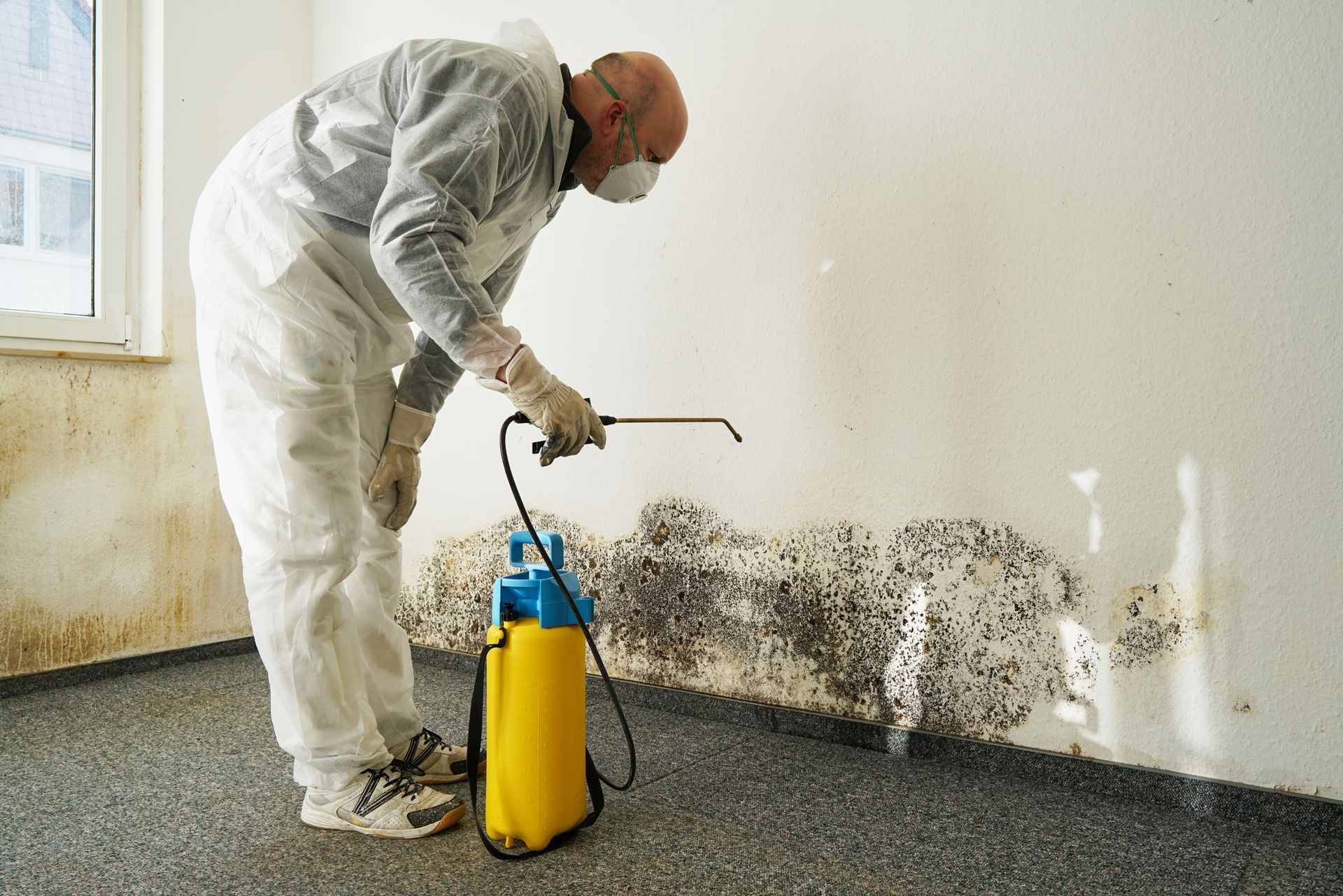
“Engineering controls are imperative for mold remediation,” says Bayne. “Negative air machines and containments are essential to prevent cross contamination.  Also, for worker protection, full body protective coveralls, air purifying respirators, eye protection, and hand protection (gloves) are also needed. So, if you look at it from occupant exposure it is the first statements, but the workers need to be protected as well.”

Some jobs require just one morning of labor, while others take several days of work. In both cases, families are generally able to live and sleep in homes as usual.

The remediation always follows a few fundamental steps :

Protection

We’ll use various plastic sheets to protect your carpet, flooring, and immovable belongings. This protects surfaces and belongings from our work boots, tools, and prevents further mold contamination.

Containment

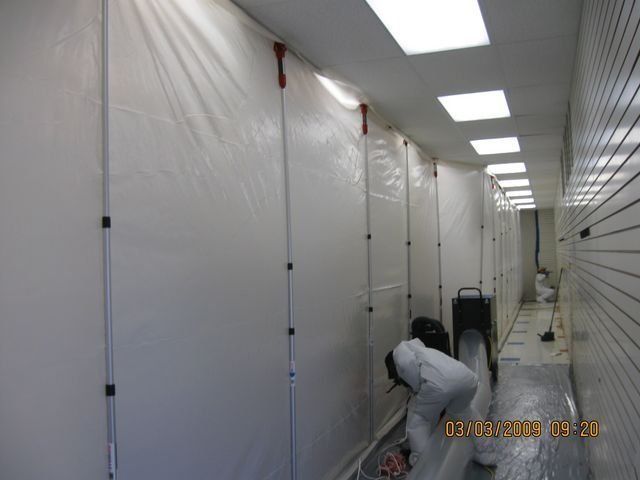
Containment is a key aspect of mold remediation. We use heavy-duty plastic sheets, extendable poles, and residue-free tape to quarantine the mold work area. This prevents mold spores from escaping into other parts of the structure.

Air Pressure and Filtration

We vent the containment area with tubes connected to industrial grade HEPA air filtration machines (commonly called “air scrubbers”). These machines suck air from the containment, filter it, and finally expel it outside your home.

In addition to filtering the air, these machines also create negative air pressure inside the containment area. In short, that means that all air is moving directly from your home, into containment, through the air scrubber, and finally, to the outdoors.

Negative pressure is critical because no containment area is totally airtight. This negative pressure forces the air out of the house instead of allowing it to leak back into your living space.

Removal of Mold

Our workers wear protective gear when they enter the containment area. Then, they begin the process of removing moldy materials, such as carpet or other porous goods.

In many cases, we deal with moldy drywall and wooden wall studs. We use various hand and power tools to neatly and carefully remove these areas. Doing this part precisely is important – it makes it much easier for your construction contractor to rebuild the area once we’re done.

Every bit of moldy material is placed into heavy-duty plastic bags. We use tape to seal the bags and then HEPA vacuum and wet wipe them and finally dispose of them.

HEPA Vacuuming

Once we’re satisfied that the moldy materials are gone, we use vacuums equipped with HEPA filters to clean the containment area. We vacuum every surface (including those not affected by mold) to make sure we’ve snagged as many mold spores and mold fragments as possible.

Wet Wiping and Anti-Fungal Treatment

Once we’ve completed vacuuming, we will then wet wipe all remaining surfaces and then will apply anti-fungal solutions or paints to inhibit future mold growth.

We use highly effective agents you can’t buy at any hardware superstore. And we only use products that we would (and have) used in our own homes.

One of our go-to products is Sporicidin. You won’t find it at the store, but you can buy it directly from authorized dealers like us.

The Rebuild

After some remediations, you’re left with walls that need to be rebuilt. You’ll hire a contractor to rebuild these areas to your specifications. We can even help you find a trustworthy contractor!

Future Mold Prevention

A mold remediation is pointless if you don’t address the problem that caused mold in the first place.

Owner and General manager Dave Bayne will help you pinpoint the problem. He’ll apply his two decades of experience to find the water source and help put a stop to it.

That way, your first mold remediation will also be your last.

Mold Remediation Doesn’t Have to be Scary or Complicated

Now you know the fundamental steps to a mold remediation.

It’s labor intensive work. It requires extensive construction knowledge. And most important, remediation necessarily uses multiple techniques to protect both workers and family members.

Call or email today, ask for Dave Bayne, and take action to solve your mold problem.

Recent Posts

October 8, 2020
Let’s Talk about Bleach, Baby (and other Misconceptions about Mold Cleanup) Mold is widely misunderstood. So are mold cleanup strategies. That’s makes sense, right? After all, if you don’t understand mold, how can you possibly hope to clean it up and keep it out of your house for good? Is mold a type of plant? […] The post Bleach and other no nos first appeared on A1 Mold Testing.

September 24, 2020
Discover how mold toxicity strains marriages and personal relationships by causing emotional distress and conflict. A1 Mold Testing shares insights on hidden impacts.
September 10, 2020
Discover typical mold remediation costs, key price factors, and ways to save on professional mold removal for your home or business.
August 27, 2020
Discover common mistakes that cause mold growth in your home and learn how to prevent them effectively. Protect your health and property with expert tips from A1 Mold Testing.
August 13, 2020
Learn why DIY mold remediation often goes wrong, from spreading spores to missing mold colonies, and why professional help is the safest solution.

July 30, 2020
Who Does This Guy Think He is, Anyway? Behind the Scenes with A1 Mold Testing & Remediation’s General Manager Dave Bayne When you pick up the phone to call A1 Mold Testing & Remediation for help, you’ll hear just one voice: Dave Bayne, the company’s owner and general manager. Dave likes to answer incoming calls […] The post Get to know Dave first appeared on A1 Mold Testing.

June 2, 2020
rotect your family’s health from harmful mold with A1 Mold Remediation. Trusted by choosy moms for expert removal and prevention services.
May 26, 2020
Learn the costly mistake your neighbors made when handling a mold problem and why professional testing is essential over DIY kits.

May 19, 2020
Discover the tough realities of mold remediation, from emotional stress to hidden damages, and why timely action is critical for your health and home.

May 12, 2020
Discover 5 reasons to hire certified experts to evaluate mold issues in your home or office. Trust A1 Mold Testing for safe, effective mold removal.
Show More