Many homeowners use "mold removal" and "mold remediation" interchangeably, but knowing the difference can protect your home and your family's health. Ths article explains the distinction, walks through what a certified remediation process looks like, and helps Omaha, NE homeowners recognize red flags when hiring a mold remediation company in Omaha, NE.
Mold Removal vs. Mold Remediation: What Is the Real Difference?
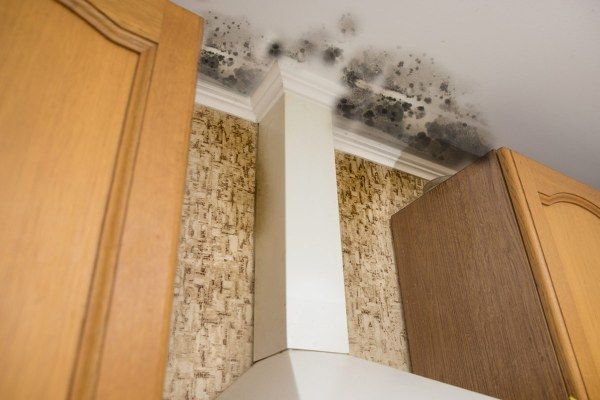
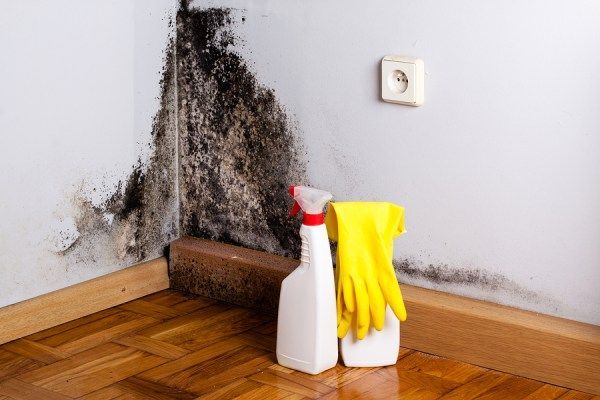
"Mold removal" refers to the physical act of cleaning visible mold from a surface. Wiping mold off a bathroom tile is mold removal.
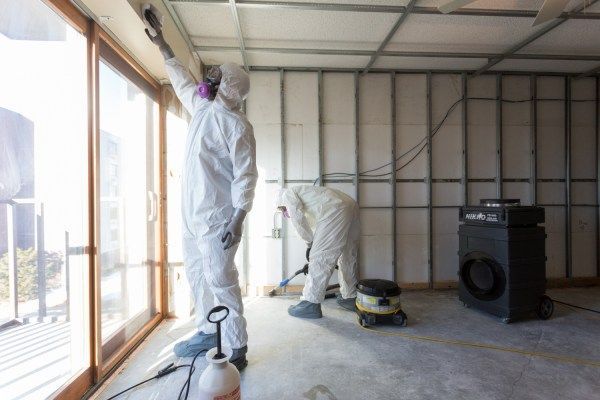
Mold remediation is a broader, more structured process that addresses contamination as a whole system. A certified remediation project includes assessment, containment, removal of affected materials, air filtration, cleaning, and verification that the problem has been resolved. The goal is not just to make mold disappear, but to return indoor air quality to safe, normal levels.
Here is a quick way to think about it:
- Mold removal tackles visible mold on surfaces.
- Mold remediation addresses the full scope of contamination, including hidden growth, airborne spore levels, and the moisture source that caused the problem.
- Remediation follows industry standards set by organizations like the IICRC (Institute of Inspection, Cleaning and Restoration Certification).
- Remediation includes post-work clearance testing to confirm the job is complete.
Removal is one step inside remediation. When a mold problem is widespread, has spread behind walls, or is causing health symptoms, remediation is almost always what is needed.
Why Does This Distinction Matter for Omaha Homeowners?
Omaha's hot, humid summers and freeze-thaw winters create persistent moisture risk. Basements in older neighborhoods like Dundee and Benson are especially vulnerable, as aging infrastructure allows moisture to seep through foundation walls. Spring snowmelt can saturate soil and drive water into basements quickly. When moisture gets in and stays, mold follows.
Many Omaha homes also have finished basements, older insulation, and HVAC ductwork that simple surface cleaning cannot reach. If a contractor removes visible mold without fixing the moisture source, the mold will return. Working with a qualified mold remediation company ensures the root cause is identified and addressed.
What Does a Certified Mold Remediation Process Look Like?
A certified process follows a consistent, documented sequence.
Here is what homeowners should expect:
Assessment and Testing
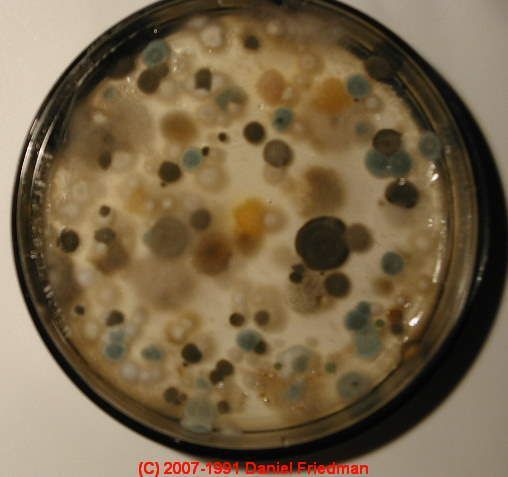
A technician inspects the property using moisture meters and infrared cameras to locate hidden moisture and may take air or surface samples to determine mold type and concentration.
Containment
Affected areas are sealed with plastic sheeting and negative air pressure to prevent spores from spreading to clean areas during work.
Removal and Cleaning
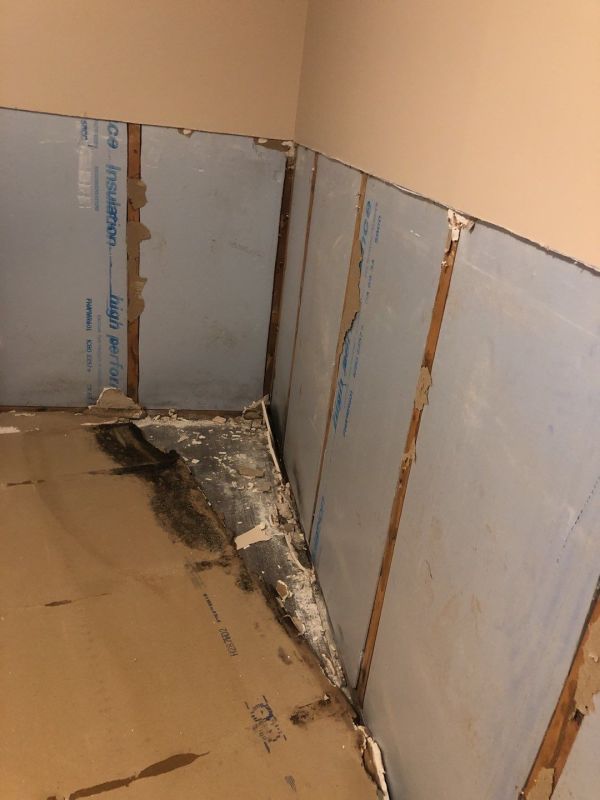
Porous materials like drywall, insulation, or carpeting that cannot be effectively cleaned are removed and safely disposed of. Non-porous surfaces are cleaned with appropriate products, and HEPA-filtered vacuums remove airborne spores.
Air Filtration
HEPA air scrubbers run continuously during the project to capture circulating spores and protect both workers and the rest of the home.
Clearance Verification
A final air quality test confirms spore levels have returned to acceptable levels. This step separates remediation from simple cleaning and provides objective proof the problem is resolved.
Red Flags to Watch for When Hiring
Not all contractors who advertise mold services follow certified processes.
When evaluating any mold remediation company, watch for these warning signs:
- Skipping testing and going straight to cleaning without assessing the full extent of the problem.
- No containment setup before work begins, which can spread spores throughout your home.
- No clearance testing offered after the job is complete.
- Guarantees that mold will never return, since no honest contractor can promise this without also addressing ongoing moisture control.
- Technicians without verifiable certifications from ACAC or IICRC programs.
- Pressure to start immediately without a written scope of work.
A trustworthy remediation contractor will explain their process clearly, provide documentation, and not rush you into a decision.
When Should You Call a Professional?
Call a professional if you notice persistent musty odors, see visible mold spreading beyond a small area, have experienced water intrusion or flooding, or notice allergy-like symptoms that improve when you leave the house. Mold that has spread behind drywall, into structural wood, or through HVAC ductwork is not a DIY project.
Homeowners in West Omaha, Millard, Midtown, and South Omaha should be especially aware after heavy rain or basement flooding, when moisture can linger in walls long after water appears gone. Reaching out to a mold remediation company early can prevent a manageable problem from becoming a costly structural issue.
Talk to Omaha's Certified Mold Remediation Team Today
If you suspect a mold problem, the right first step is a professional assessment. A1 Mold Testing & Remediation is the trusted mold remediation company serving the area with certified mold testing, remediation, and removal services for residential and commercial properties. The team employs Certified Indoor Environmentalists and Certified Mold Remediation Supervisors who follow documented processes from assessment through final clearance testing.
Visit the
mold remediation services page
to learn more, or
contact the team to schedule an inspection.
You can also find and review
A1 Mold Testing & Remediation on Google to see what other Omaha homeowners have experienced.